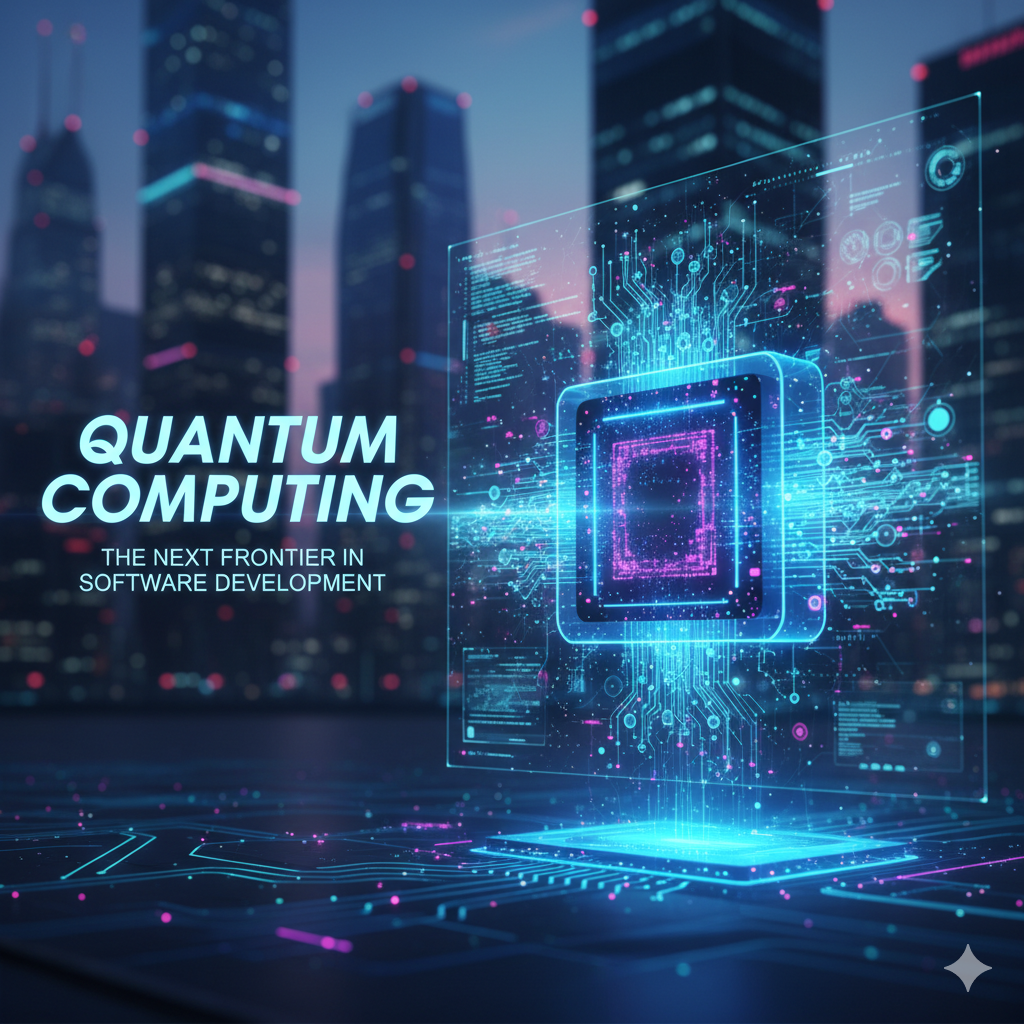

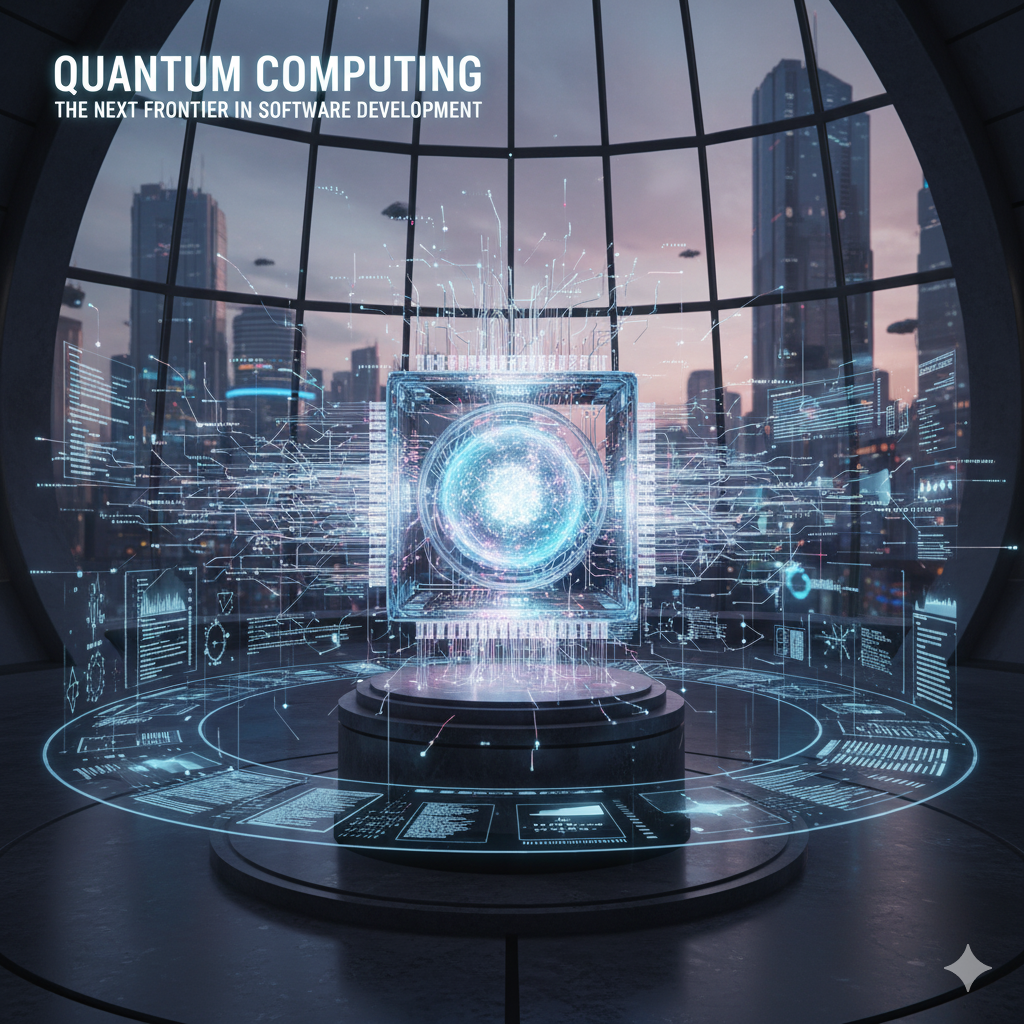
The boundaries of traditional computing are rapidly expanding — and Quantum Computing is driving that change. Unlike classical computers that process data as 0s and 1s, quantum computers use qubits, which can exist in multiple states at once. This enables them to process enormous datasets and perform complex calculations that would take classical machines years to complete.
⚛️ What Makes Quantum Computing Revolutionary
Quantum systems leverage superposition and entanglement — two core principles of quantum physics — to perform parallel computations at unprecedented speeds.
This breakthrough opens up new possibilities in:
- Cryptography – creating ultra-secure communication systems
- Drug discovery – simulating molecular structures faster
- AI and machine learning – accelerating training models
- Optimization – solving complex logistical and financial problems
💡 Developers Entering the Quantum Era
For software developers, quantum programming introduces a completely new paradigm. Tools and languages like Q# (Microsoft), Qiskit (IBM), and Cirq (Google) are helping developers design and test quantum algorithms using simulators before real quantum hardware becomes mainstream.
🚀 Preparing for the Future
Although large-scale quantum computing is still in its early stages, the progress is undeniable. Forward-thinking companies are already experimenting with hybrid quantum-classical systems to gain insights and competitive advantages.
Quantum computing isn’t just the future — it’s the next revolution in how we build, process, and innovate.